There’s something magical about turning a few stalks of tart rhubarb into a glossy, spoonable sauce that works on practically everything. This easy rhubarb sauce delivers the perfect balance of sweet and tangy, with a beautiful pink hue and a silky texture that takes just 20 minutes to make.
In this article, you’ll find everything you need to master a classic homemade rhubarb sauce — from the exact ingredients and step-by-step instructions to clever variations, storage tips, and answers to the most common questions. Whether you spoon it over yogurt, pancakes, ice cream, or roast pork, this recipe will become a seasonal favorite.
What Makes This Recipe So Good
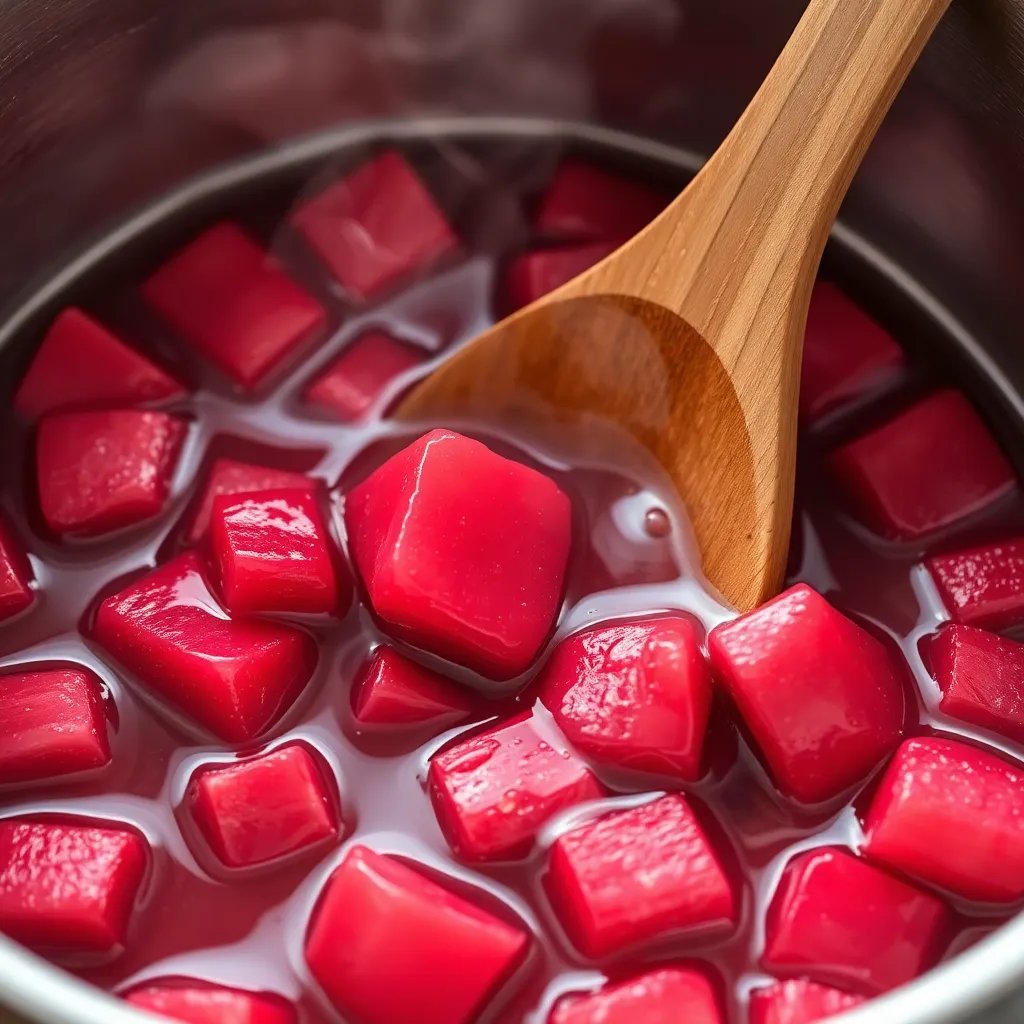
- Fast and fuss-free: Ready in about 20 minutes with just one saucepan and a handful of ingredients.
- Naturally vibrant: Fresh rhubarb breaks down into a gorgeous pink sauce without any food coloring.
- Flexible sweetness: Adjust the sugar to suit your taste, from tart and bright to dessert-sweet.
- Endlessly versatile: Works as a topping, filling, mix-in, or savory glaze for meats.
- Freezer-friendly: Make a big batch in spring and enjoy that rhubarb flavor all year long.
Ingredients
- 1.5 pounds (680g) fresh rhubarb, trimmed and chopped into 1/2-inch pieces
- 3/4 cup (150g) granulated sugar (adjust to taste)
- 2 tablespoons brown sugar (for depth, optional)
- 1/4 cup (60ml) water or orange juice
- 1 tablespoon fresh lemon juice
- 1 teaspoon lemon zest
- 1 teaspoon vanilla extract
- 1/4 teaspoon ground cinnamon (optional)
- Pinch of salt
- 1/2 teaspoon fresh ginger, grated (optional, for warmth)
- 1 small strip of orange peel (optional, for citrus aroma)
- 1 cup (150g) fresh strawberries, hulled and quartered (optional, for color and sweetness)
- 1 tablespoon cornstarch mixed with 2 tablespoons cold water (optional, for thicker sauce)
- 1 tablespoon honey or maple syrup (optional, for added richness)
Step-by-Step Instructions
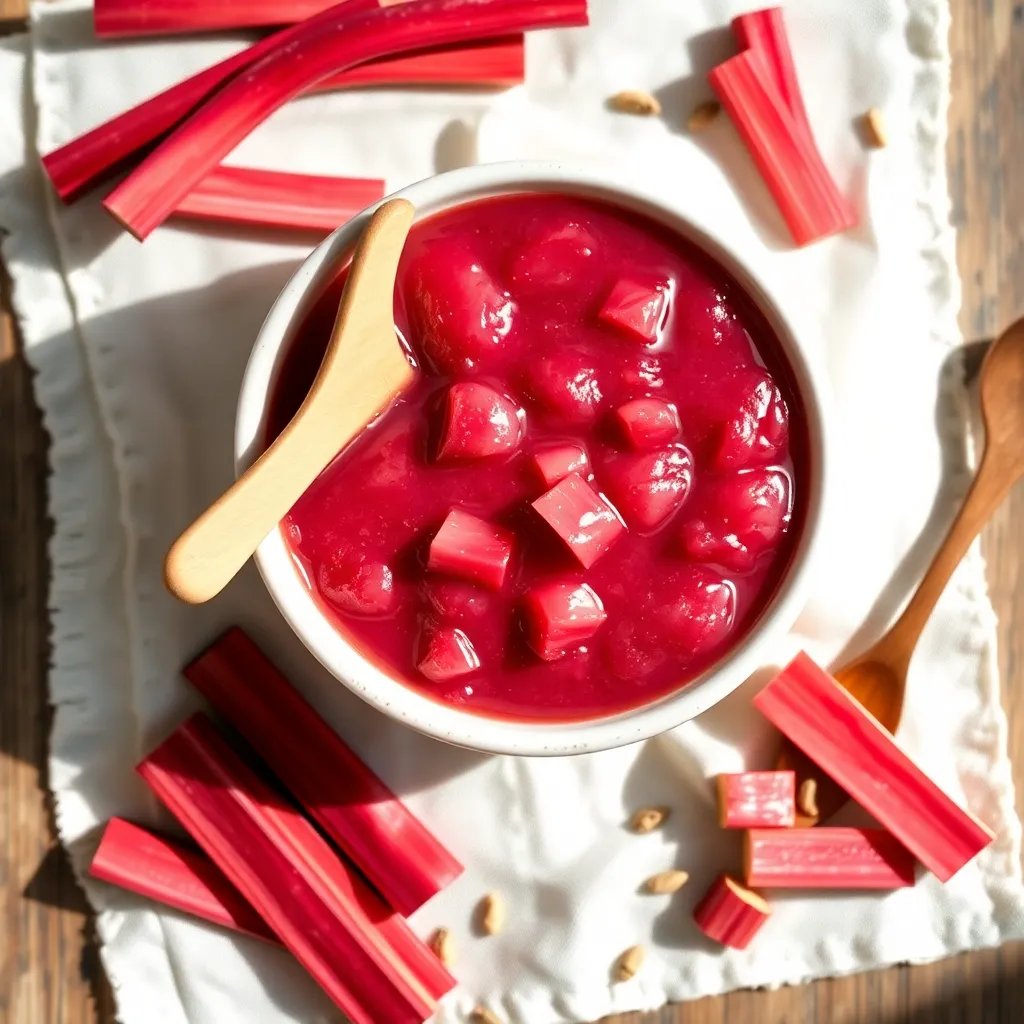
- Prep the rhubarb: Wash the stalks thoroughly and trim off both ends. Never use the leaves — they are toxic. Chop the stalks into uniform 1/2-inch pieces for even cooking.
- Combine in the saucepan: Place the chopped rhubarb, granulated sugar, brown sugar, water (or orange juice), lemon juice, and pinch of salt in a medium heavy-bottomed saucepan. Stir to coat the rhubarb evenly with the sugar.
- Let it macerate (optional but recommended): Let the mixture sit for 10–15 minutes before turning on the heat. This draws out moisture and helps create a more even sauce.
- Bring to a gentle simmer: Place the saucepan over medium heat and stir until the sugar dissolves. Once it starts bubbling, reduce the heat to medium-low.
- Cook the rhubarb down: Simmer uncovered for 10–15 minutes, stirring occasionally so it doesn’t stick. The rhubarb will soften, break down, and turn a beautiful pink color.
- Add the flavor boosters: Stir in the lemon zest, vanilla extract, cinnamon, ginger, and orange peel (if using). If you want a sweeter, fruitier sauce, add the strawberries now and simmer for an additional 3–5 minutes.
- Adjust the consistency: For a thicker, spoonable sauce, stir in the cornstarch slurry and cook for 1–2 minutes until glossy. For a looser compote-style sauce, skip this step.
- Taste and adjust: Remove from heat and taste. Add more sugar, honey, or lemon juice as needed. Remember — the sauce will thicken further as it cools.
- Cool slightly: Let the sauce rest in the pan for 10 minutes, then transfer to a clean jar or container. Remove the orange peel before storing.
- Serve or store: Enjoy warm, at room temperature, or chilled. The flavor deepens beautifully after a day in the fridge.
Storage Instructions
- Refrigerator: Cool completely, then store in an airtight jar or container for up to 10 days.
- Freezer: Portion into freezer-safe containers or zip-top bags, leaving 1 inch of headspace. Freeze for up to 6 months.
- Reheating: Warm gently on the stovetop over low heat with a splash of water, or microwave in 20-second bursts, stirring between each. Avoid boiling, which can break down the texture.
- Meal prep tip: Freeze in silicone muffin trays for perfect single-serving portions you can pop out and thaw whenever you want a quick yogurt topping.

Health Benefits
- Rich in fiber: Rhubarb is a great source of dietary fiber, which supports healthy digestion and gut regularity.
- Loaded with vitamin K: A single serving provides a significant amount of vitamin K, important for bone health and blood clotting.
- Antioxidant-packed: The vibrant red stalks contain anthocyanins and polyphenols that help fight oxidative stress.
- Low in calories: Rhubarb itself is naturally very low in calories, making this sauce a lighter alternative to many sugary jams and syrups.
Common Mistakes to Avoid
- Using the leaves: Rhubarb leaves contain high levels of oxalic acid and are toxic. Always trim and discard them before cooking.
- Cooking on high heat: Boiling rhubarb too aggressively turns it into mush and can scorch the sugar. Keep the heat at a gentle simmer.
- Adding too much sugar too soon: Start with less sugar and adjust at the end — rhubarb’s tartness varies by variety and season.
- Skipping the salt and acid: A pinch of salt and a splash of lemon juice brighten the flavor and balance the sweetness beautifully.
- Storing while hot: Sealing warm sauce in a container traps condensation and shortens shelf life. Always cool fully before refrigerating.
Recipe Variations
- Strawberry-Rhubarb Sauce: Add 1.5 cups of fresh or frozen strawberries during the last 5 minutes of cooking for a classic spring combo.
- Savory Rhubarb Chutney: Reduce the sugar to 1/4 cup and add 2 tablespoons apple cider vinegar, 1/2 teaspoon mustard seeds, and a pinch of red pepper flakes — perfect with roast pork or cheese boards.
- Maple-Ginger Rhubarb Sauce: Swap the sugar for 1/2 cup maple syrup and double the fresh ginger for a warming, refined-sugar-free twist.
- Boozy Rhubarb Sauce: Stir in 2 tablespoons of bourbon, Grand Marnier, or rosé wine in the last minute of cooking for a grown-up dessert topping.
- Low-Sugar / Keto Version: Replace the sugar with a 1:1 granulated monk fruit or erythritol sweetener for a low-carb option.
- Asian-Inspired Rhubarb Glaze: Add 1 tablespoon soy sauce, 1 teaspoon sesame oil, and a touch of chili — brilliant brushed onto grilled chicken or salmon.
- Spiced Holiday Rhubarb Sauce: Add a cinnamon stick, 2 whole cloves, and 1 star anise to give the sauce a cozy, mulled-spice flavor for fall and winter.
FAQ
Can I use frozen rhubarb instead of fresh?
Absolutely. Frozen rhubarb works beautifully — just add it directly to the pan without thawing and reduce the added water by half, since frozen rhubarb releases more liquid as it cooks.
How do I make rhubarb sauce less tart?
Increase the sugar gradually, taste as you go, and consider adding sweeter fruit like strawberries, raspberries, or even a chopped apple. A splash of vanilla and a pinch of cinnamon also help round out the tartness.
Why is my rhubarb sauce stringy?
Stringy sauce usually means the rhubarb was older or undercooked. Chop the stalks into small uniform pieces and simmer until they fully collapse — about 12–15 minutes — and the strings will soften and blend in.
Can I can rhubarb sauce for long-term storage?
Yes, this sauce can be water-bath canned in sterilized jars for about 15 minutes. Make sure to follow USDA safe canning guidelines for high-acid fruit preserves to ensure shelf stability.
What can I serve rhubarb sauce with?
The options are endless — try it over Greek yogurt, oatmeal, pancakes, waffles, ice cream, cheesecake, or pound cake. On the savory side, it’s stunning with pork tenderloin, duck, brie, or grilled chicken.
Can I make this recipe without added sugar?
Yes — substitute with honey, maple syrup, or a sugar-free sweetener like monk fruit. Just note that the texture and color may vary slightly, and the sauce may take a little longer to thicken.
In Conclusion
This easy rhubarb sauce is one of those simple, satisfying recipes that punches well above its weight. With just a few pantry staples and fresh rhubarb, you can create something bright, beautiful, and incredibly versatile — perfect for sweet breakfasts, elegant desserts, or savory mains.
Give this recipe a try the next time you spot fresh rhubarb at the market or farmer’s stand. Once you taste how easy and delicious it is, you’ll want to keep a jar in your fridge all season long — and a few stashed in the freezer for the rest of the year. Happy cooking!
Printable Recipe Card
Want just the essential recipe details without scrolling through the article? Get our printable recipe card with just the ingredients and instructions.

Leave a Reply