If you’ve ever wanted to make lobster at home but felt a little intimidated, you’re not alone. The good news is that lobster tails are actually simple to prepare, and you don’t need a fancy setup to get great results. With a few basic techniques, you can serve tender, buttery lobster that tastes like it came from a top-notch restaurant.
Whether you bake, broil, or grill them, the real trick is not overcooking. Let’s walk through everything you need to know to make lobster tails with confidence.
What Makes This Recipe So Good
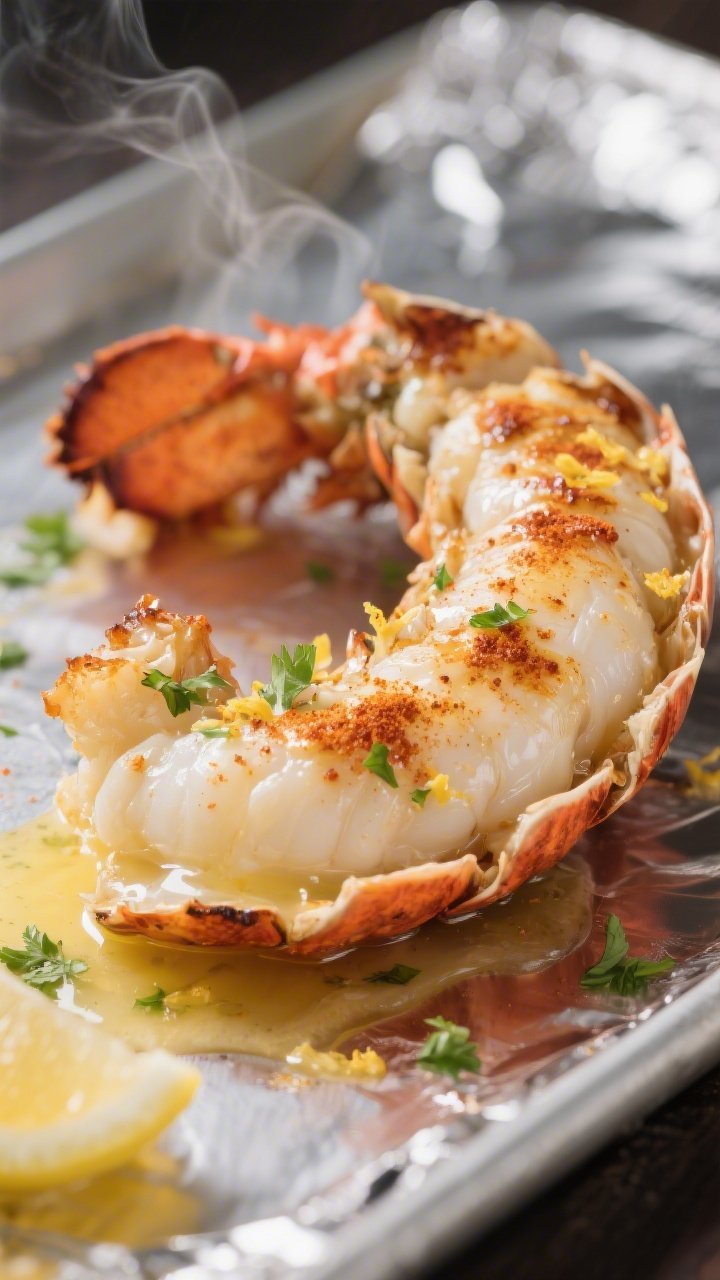
- Fast and approachable: Lobster tails cook in under 15 minutes, and the prep is easy.
- Big flavor, minimal effort: A simple garlic butter and lemon combo delivers classic, rich taste.
- Flexible cooking methods: You can broil, bake, steam, boil, or grill depending on your tools and comfort level.
- Restaurant-style presentation: Butterfly-cut tails look beautiful and cook evenly.
- Great for special occasions: Perfect for date nights, holidays, or when you want something impressive without stress.
Ingredients
- 4 lobster tails (4–6 ounces each), thawed if frozen
- 4 tablespoons unsalted butter, melted
- 2 cloves garlic, finely minced
- 1 tablespoon fresh lemon juice, plus lemon wedges for serving
- 1 teaspoon lemon zest (optional)
- 1 tablespoon fresh parsley, finely chopped
- 1/2 teaspoon smoked paprika or sweet paprika
- Salt and freshly ground black pepper, to taste
- Pinch of red pepper flakes (optional)
How to Make It
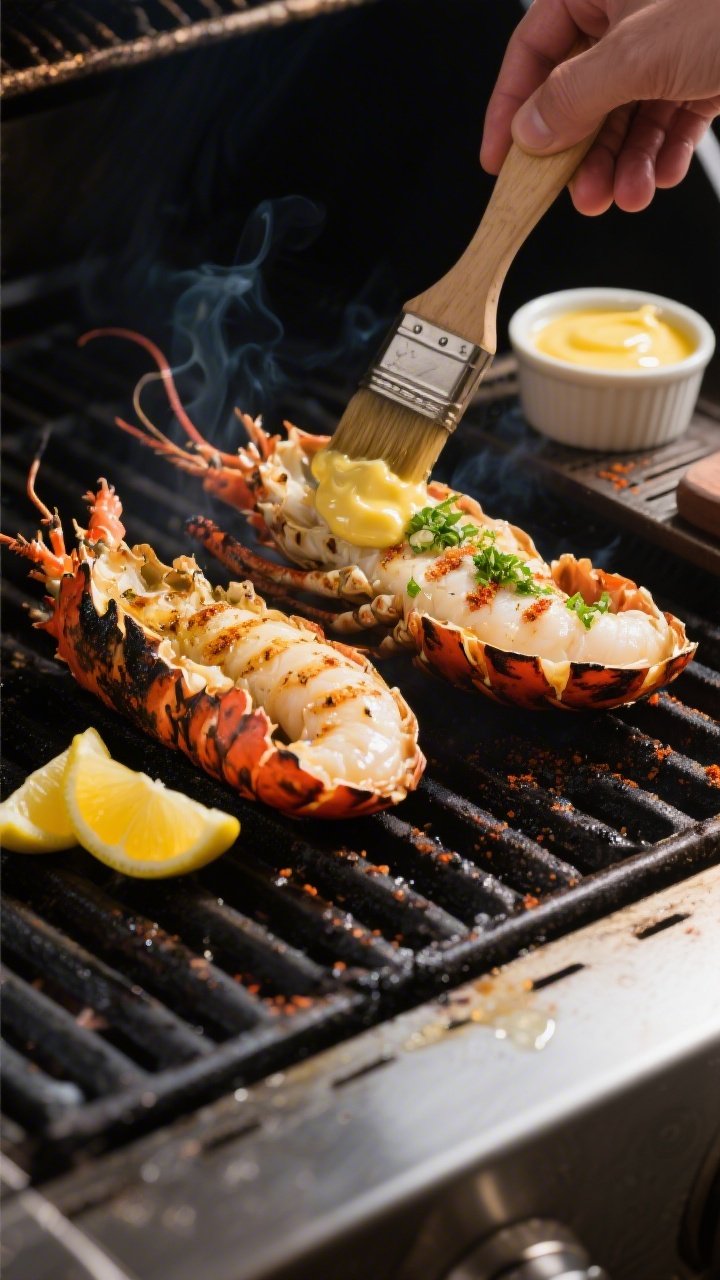
- Thaw the lobster tails if needed: Place frozen tails in the refrigerator for 12–24 hours. For a quicker option, seal them in a bag and submerge in cold water for 30–45 minutes, changing the water once.
- Preheat your oven or broiler: For broiling, set the rack 5–6 inches from the heat and preheat on high.
For baking, preheat the oven to 425°F (220°C). You can also grill over medium-high heat if you prefer.
- Butterfly the tails: Place a tail on a cutting board. Using kitchen shears, cut through the top shell lengthwise from the open end to just before the tail fan.
Gently loosen the meat from the shell, then lift it up and rest it on top of the shell. This helps the meat cook evenly and look impressive.
- Prepare the garlic butter: Stir together melted butter, garlic, lemon juice, lemon zest (if using), parsley, paprika, salt, pepper, and red pepper flakes. Taste and adjust seasoning.
- Brush generously: Place the prepared tails on a foil-lined baking sheet.
Spoon or brush the garlic butter over the meat, letting some drip into the shell for flavor.
- Cook the lobster:
- To broil: Broil for 6–10 minutes depending on size, until the meat is opaque and firm but not rubbery. Small tails cook closer to 6 minutes; larger ones may need up to 10.
- To bake: Bake at 425°F for 10–12 minutes, until the meat is opaque and the internal temperature reaches 135–140°F (57–60°C).
- To grill: Grill cut-side up for 4–5 minutes, then brush with more butter and grill another 2–3 minutes until opaque.
- To steam or boil: Steam for 6–8 minutes or boil for 4–6 minutes, then brush with garlic butter after cooking.
- Check doneness: The meat should be pearly white and opaque with no translucent spots. If you have a thermometer, aim for 135–140°F in the center.
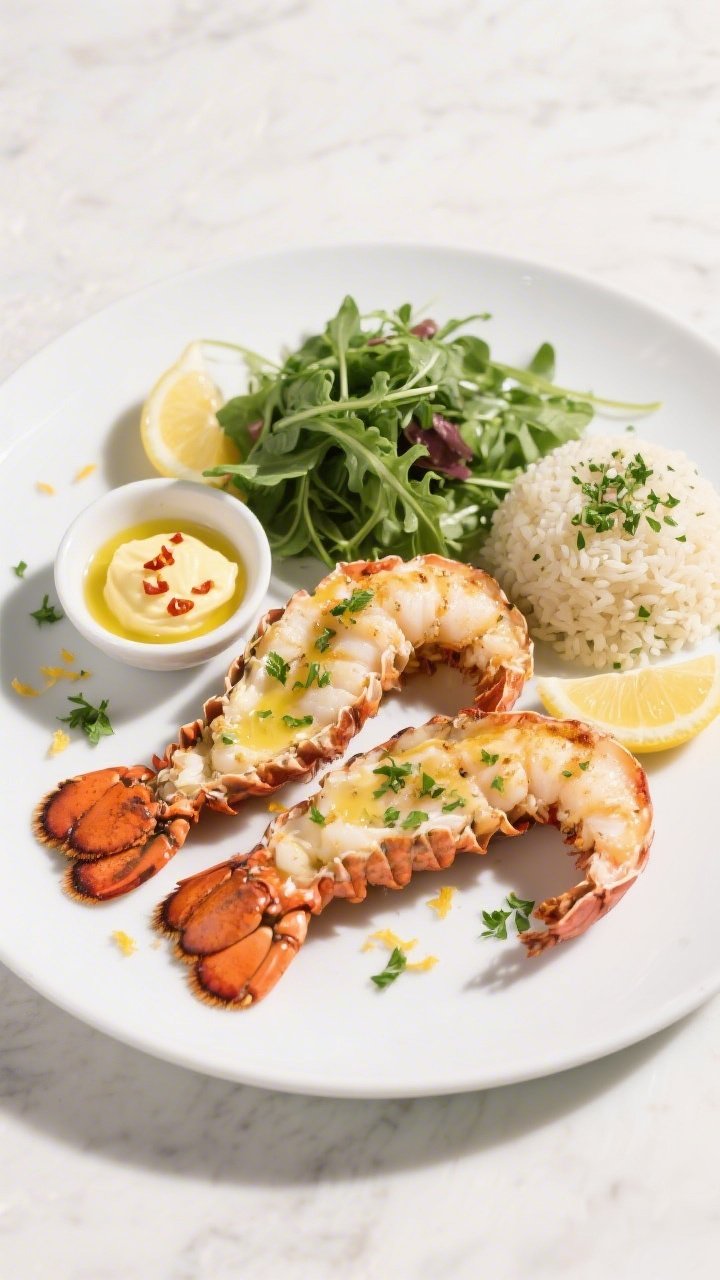
- Serve: Spoon on any remaining butter, add lemon wedges, and finish with extra parsley.
Serve with rice, pasta, or a crisp salad.
Storage Instructions
- Refrigerate: Store cooked lobster in an airtight container for up to 2 days. Keep any leftover butter separately.
- Reheat gently: Warm in a covered skillet over low heat with a splash of water or butter for 2–3 minutes, just until heated through. Avoid microwaving on high—it can turn the meat tough.
- Freeze: For best texture, enjoy fresh.
If needed, freeze cooked lobster in a sealed bag with extra butter for up to 1 month. Thaw overnight in the fridge and reheat gently.
Health Benefits
- Lean protein: Lobster is high in protein and relatively low in fat, making it a satisfying, lighter main.
- Rich in vitamins and minerals: It provides selenium, zinc, copper, and B vitamins that support metabolism and immune function.
- Omega-3s: Contains omega-3 fatty acids that support heart and brain health.
- Customizable: You control the amount of butter and salt, so it’s easy to keep the dish balanced.
Common Mistakes to Avoid
- Overcooking: This is the biggest issue. Pull the tails as soon as they turn opaque and hit 135–140°F.
- Skipping the butterfly cut: Leaving the meat tucked inside can lead to uneven cooking and a less appealing look.
- Not seasoning enough: Lobster is delicate but still needs salt, lemon, and aromatics to shine.
- Using too much heat too long: High heat is fine for broiling or grilling, but keep the time short.
- Cooking from frozen: Always thaw first for even texture and proper timing.
Recipe Variations
- Herb butter lobster: Mix butter with parsley, chives, and tarragon.
Add a squeeze of lemon to brighten.
- Cajun-spiced tails: Dust with Cajun seasoning and paprika before broiling. Finish with lemon and a touch of honey butter.
- Garlic parmesan: Stir grated Parmesan into the butter and broil until lightly golden on top.
- Chili-lime: Swap lemon for lime and add a pinch of chili powder and cumin for a warm, zesty profile.
- Miso-butter glaze: Whisk white miso into the butter with a bit of honey and rice vinegar. Brush and broil for a savory umami twist.
FAQ
How do I choose good lobster tails?
Look for tails that are firm, heavy for their size, and without any strong fishy smell.
Cold-water tails (often from Maine or Canada) tend to be sweeter. Avoid tails with excessive discoloration or lots of black spots.
Should I remove the vein?
Yes, if visible. After butterflying, you may see a dark vein running along the back of the meat.
Gently pull it out with the tip of a knife or your fingers, then rinse and pat dry.
What’s the best way to thaw lobster tails?
The safest method is overnight in the refrigerator. For a faster thaw, seal the tails in a bag and submerge in cold water for 30–45 minutes, changing the water once. Don’t use hot water or a microwave.
Can I cook lobster tails without butter?
Absolutely.
Use olive oil, a drizzle of good-quality extra-virgin olive oil after cooking, or a light vinaigrette with lemon and herbs. You can also steam and finish with a squeeze of citrus.
How many lobster tails per person?
Plan on one 6–8 ounce tail per person for a main course, or two smaller 4–5 ounce tails if you want a more generous serving. For surf and turf, one smaller tail per person is plenty.
Why is my lobster rubbery?
It’s overcooked.
Next time, cook for a shorter time and rely on visual cues and a thermometer. Pull the tails as soon as the meat is opaque and the temperature reaches 135–140°F.
Can I grill frozen lobster tails?
It’s best to thaw first. Frozen centers will cook unevenly and the outside may dry out before the inside is done.
What sauces go well with lobster?
Classic drawn butter with lemon is great.
You can also serve garlic herb butter, light lemon aioli, clarified butter with chili flakes, or a simple brown butter with a squeeze of lemon.
Final Thoughts
Cooking lobster tails at home doesn’t have to be complicated. With a clean butterfly cut, a good butter sauce, and a close eye on the clock, you’ll get tender, juicy results every time. Choose your favorite method—broil, bake, grill, steam, or boil—and keep the flavors fresh and simple.
Serve with lemon wedges, a crisp salad, and maybe a glass of something chilled. That’s all you need for a meal that feels special without the fuss.
Printable Recipe Card
Want just the essential recipe details without scrolling through the article? Get our printable recipe card with just the ingredients and instructions.

Leave a Reply